


FaithPath
SAILIBERTY TECH
FaithPath is the kind of faith and reference app I would suggest to someone who wants a calmer, more deliberate reading habit on a phone. Its purpose is simple: open a passage, spend time with it, and return to the ideas that matter instead of treating spiritual reading like another item to rush through. I found that straightforward approach more useful than a crowded app packed with unrelated tools.
Developed by SAILIBERTY TECH, it is free to use and available to everyone from a content-rating perspective. The app has reached over ten thousand installs and holds a 4.9 average from more than two hundred ratings, with dozens of written reviews behind that score. Those figures suggest that its focused approach is connecting with readers, although I would still treat the rating as a starting point rather than proof that it will suit every reading style.
How FaithPath fits into a real reading routine
My preferred way to use FaithPath is not to open it randomly whenever I have a spare moment. I get more from it when I give the app a clear place in my day. A short session in the morning works well for reading with a fresh mind, while an evening session is better for reflection. The important distinction is that the app supports a habit; it does not create one automatically.
A practical baseline workflow is easy to repeat. I open the app, choose what I want to read, slow down for the passage, and then pause before moving on. That final pause is important. Without it, a reading app can become little more than a scrolling screen. With it, FaithPath feels closer to a small personal study space.
For a busy weekday, I would use it during a quiet coffee break rather than trying to fit in an ambitious session. Reading a manageable portion, thinking about one sentence, and closing the app can be more meaningful than attempting a long session while distracted. On a weekend, I might return to the same material and spend longer considering how it connects with a current decision or concern.
Related News

Why WhatsApp Messenger Still Makes Everyday Communication Feel Easy

Jurassic World: The Game Is the Better Dino Tycoon for Strategic Players

Threads in Real Life: Who Should Join, Lurk, or Leave

How SHEIN Turned Shopping Into an Endless Content Feed

How to Make Fortnite Feel Smarter on Mobile

Should You Switch to Microsoft Outlook on Mobile?
This repeatable approach is one of the app’s strongest qualities. It does not demand that I reorganize my life around it. Instead, I can attach it to an existing routine: after waking up, before bed, or during a regular period of quiet. That makes the app more approachable for newcomers who may feel intimidated by larger reference libraries.
There is also a useful trade-off here. FaithPath’s focused identity makes it easier to begin, but a focused app may feel less satisfying to someone who expects a complete research workstation. If your main goal is comparing many editions, searching academic commentary, or building an extensive study archive, you may prefer a more specialized reference tool. FaithPath is better suited to reflective reading than deep textual investigation.
Starting without making the habit complicated
I recommend resisting the temptation to turn the first session into a major project. Begin with a simple intention: read attentively, notice what stands out, and leave with one thought worth carrying into the day. This keeps the experience personal instead of making it feel like a test of consistency.
Gallery
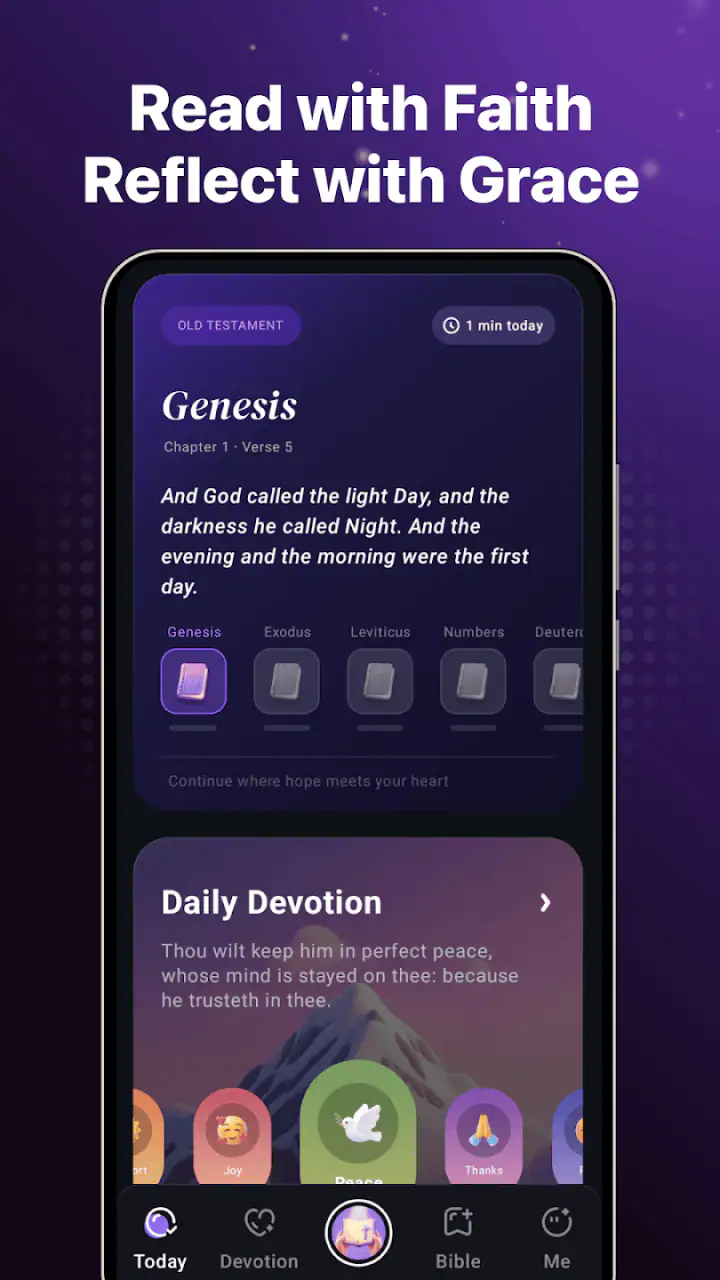
One useful technique is to read the same short selection twice. The first pass gives me the overall sense. The second lets me notice a phrase or idea that I missed while simply getting oriented. This is a better use of a small screen than repeatedly jumping between unrelated sections.
Another good habit is to decide in advance what “finished” means. For me, that might be one passage or one uninterrupted period of reflection. Defining the stopping point prevents the session from becoming aimless browsing. It also makes FaithPath easier to use on days when attention is limited.
The app is especially approachable for readers who want a gentle entry point into daily faith reading. It is less compelling for people who want constant novelty, social interaction, or a large collection of productivity features. Its value comes from returning to the central activity, not from keeping me entertained.
Settings and phone habits worth checking
FaithPath is currently at version 1.1.4 and requires Android 8.0 or later. Before settling into a routine, I would check that the phone meets that requirement and make sure the display, text size, and system-level reading preferences are comfortable. These small adjustments matter more than they sound: if the text is tiring to read, I am less likely to return tomorrow.
I also recommend reviewing the app’s available settings when first installing it, rather than assuming the default arrangement is ideal. Look for options that affect reading comfort or navigation and choose the setup that keeps attention on the passage. I would avoid changing several things at once; make one adjustment, use the app for a few sessions, and then decide whether it genuinely helps.
Notifications deserve a thoughtful approach. If FaithPath offers reminders on your device, a modest schedule is more useful than constant prompts. A reminder placed near an existing quiet period can support a habit, while frequent alerts can make a reflective practice feel like an obligation. If notifications become irritating, turning them down or off is not a failure; it may actually make the app easier to keep using.
Screen brightness is another overlooked setting. A bright display can make an evening session uncomfortable, while a very dim screen can encourage squinting. I would use the phone’s normal comfort controls and choose a level that lets me read without strain. This is particularly important for longer sessions, where physical comfort affects concentration.
Because FaithPath is free, it is also a low-risk app to try for readers who do not want to commit financially before understanding the experience. Free access makes experimentation easy, but it can also mean that users should judge the app by whether it becomes part of their routine rather than by how quickly they can explore every screen.
Faster patterns for busy days
The fastest useful pattern is not simply reading more quickly. It is reducing the number of decisions between opening the app and beginning. I keep a clear purpose in mind before launching it: a short reading, a moment of reflection, or a return to something that stayed with me. That prevents the session from dissolving into unnecessary wandering.
For a hectic morning, I would use a three-step pattern: read once for context, reread the most striking line, and name one practical response. The response might be patience in a difficult conversation, gratitude for something ordinary, or a decision to pause before reacting. This turns a brief session into something concrete without pretending that every reading needs a dramatic conclusion.
A second pattern works well when I have more time. I read the passage, sit with the central idea, and then revisit it later in the day. The gap matters because it shows whether the thought remains relevant after the app is closed. In my experience, this is more revealing than staying in the app for a long uninterrupted period.
Experienced users can make the app feel faster by standardizing their routine. Use the same time window, the same approximate session length, and the same closing question. For example: “What do I want to remember?” Repetition removes friction and makes it easier to begin even when motivation is low.
I would also avoid opening FaithPath while multitasking heavily. Reading beside a stream of messages or video playback defeats the app’s reflective purpose. If a session has to be short, it is better to give it a few undivided minutes than to stretch it across a noisy hour.
One non-obvious advantage of this approach is that it exposes whether the app is genuinely helping. If a simple routine still feels useful after the initial novelty fades, FaithPath has earned a place in your day. If you only enjoy it when exploring, but never return to read, the problem may be that this category of app is not what you need right now.
Where the app reaches its limits
FaithPath’s simplicity is both its appeal and its boundary. I would not choose it as my main tool for formal study that depends on extensive cross-references, detailed annotations, or a broad collection of scholarly material. A dedicated study platform will usually be a better match for that kind of work.
It may also be the wrong choice if you want a highly social experience. Readers who depend on group discussions, shared reading plans, public progress, or interactive teaching may find a focused reading environment too quiet. FaithPath works best when the user is comfortable bringing their own questions and reflection to the screen.
Another limitation is behavioral rather than technical: the app cannot decide what a passage should mean in your particular situation. Its usefulness depends on the attention I bring to it. Someone looking for automatic encouragement, constant prompts, or a fully guided course may need an app built around structured lessons instead.
I would also be careful about treating the high rating as a guarantee. A 4.9 average is encouraging, but people rate apps according to their own expectations. A reader who wants a clean, focused experience may be delighted, while someone expecting an all-purpose reference library could be disappointed despite the same rating.
The age rating of Everyone makes FaithPath broadly approachable, including households looking for a suitable reading app. Even so, suitability is not the same as usefulness for every age or reading level. Younger readers may benefit from using it alongside a parent, teacher, or trusted guide who can help turn reading into conversation rather than passive screen time.
Since the app is available for Android 8.0 and newer, users with older phones should check compatibility before planning around it. For supported devices, the more important question is whether the phone itself encourages focus. A large number of incoming alerts, a small display, or limited quiet time can affect the experience more than the app’s basic design.
Who will get the most from FaithPath?
I think FaithPath is a strong fit for someone beginning a personal reading habit, returning to one after a long break, or wanting a dedicated place for quiet reflection. It is also suitable for readers who prefer an uncluttered app and do not want to pay before trying it.
It can work well for a person who already reads regularly but wants a more intentional phone-based routine. The key is to use it as a doorway into attention, not as a replacement for every other form of study. A printed book, a conversation with a faith community, or a more detailed reference source may still be valuable alongside it.
I would hesitate to recommend it to a reader whose first question is about advanced research capability. If you need powerful discovery tools, layered notes, or extensive comparison features, choose the specialist option and use FaithPath only if you also want a quieter reading space.
It is also not ideal for anyone who expects an app to maintain motivation without personal effort. The experience becomes worthwhile through repetition: the same small action, performed often enough to become familiar. That is rewarding, but it is not automatic.
My verdict after using it as a repeatable tool
FaithPath is at its best when it stays simple enough to use every day. I would not describe it as a complete replacement for serious reference software, and I would not recommend it to someone searching for a social or heavily guided platform. But for reading, reflection, and a steady faith-oriented routine, its focused design makes sense.
The most effective setup is modest: choose a comfortable reading environment, keep notifications under control, use a repeatable session pattern, and give each passage enough attention to move beyond quick scrolling. Those habits reveal the app’s real strength. It gives a small, accessible space for a practice that can otherwise be crowded out by everything else on a phone.
SAILIBERTY TECH has positioned the app in the Books & Reference category, but I experience it less like a conventional lookup tool and more like a companion for intentional reading. That distinction matters. If you want answers immediately, another reference app may be faster. If you want to slow down and return to meaningful material, this one is easier to make part of the day.
FaithPath is free, rated for Everyone, and currently available in its 1.1.4 release for compatible Android devices. After considering its strengths and limits, I would recommend trying it with a clear two-week habit rather than judging it after one quick opening. Read at a consistent time, keep the sessions realistic, and notice whether the app helps you reflect after the screen is gone. If it does, it has done exactly what I would want from this kind of tool.
FAQs for FaithPath
What is FaithPath and what can I use it for?
FaithPath is a faith-focused mobile app designed to help users build a more consistent spiritual routine. Depending on the available features in your version, it may provide devotional content, guided reflections, prayer resources, Bible-related materials, progress tracking, or reminders. It is best suited to people who want convenient daily encouragement and a structured way to spend time reflecting on their beliefs.
Is FaithPath free to download and use?
FaithPath may be available as a free download, but some content or tools could require in-app purchases, a subscription, or an account. Before installing, check the app-store listing for the current pricing details, trial conditions, and any premium limitations. I also recommend reviewing the subscription screen carefully, since free trials can automatically renew unless canceled through your Android or iOS account settings.
Does FaithPath require an internet connection?
An internet connection may be needed when first opening FaithPath, signing in, synchronizing progress, loading new devotional materials, or accessing online features. Some previously downloaded content might remain available offline, although this depends on the app’s design and your device. If offline access matters to you, test the app after disabling mobile data and Wi-Fi to see which sections continue working.
Is FaithPath suitable for beginners and different Christian traditions?
FaithPath can be useful for beginners because its guided format may make it easier to establish a regular prayer, reading, or reflection habit. However, the tone, translations, teachings, and terminology may reflect a particular Christian tradition or interpretation. Users with specific denominational preferences should review the description and sample content before downloading to confirm that the app matches their beliefs and expectations.
What privacy information should I consider before using FaithPath?
Before creating an account or entering personal information, review FaithPath’s privacy policy and the permissions requested by the app. Pay attention to whether it collects email addresses, profile details, usage data, device identifiers, journal entries, or notification information. Avoid recording highly sensitive personal details unless you understand how that information is stored, processed, shared, and deleted.
Pros
- Simple interface makes daily faith activities easy to access.
- Personalized content can help users build a consistent spiritual routine.
- Useful reminders encourage regular reflection and prayer.
- Suitable for both beginners and users with established faith practices.
- Mobile access lets users engage with content wherever they are.
Cons
- Some features may require an account or additional personal information.
- Content may feel limited for users seeking a specific denomination.
- Reminder notifications can become repetitive over time.
- The app’s usefulness depends on regularly updated spiritual content.
- Some guidance may feel too general for complex personal situations.


